







Search Results for: mountain spring

Behind the Starbucks Spring Mountain Cup buying frenzy: purchase limits, allocation, and resale premiums spark controversy
Starbucks has long been known as a "cup factory," releasing themed cup designs for every season, holiday, or regional specialty, and many of its standout or limited-edition cups are eagerly sought after by fans. Recently, Starbucks' Spring Mountain pastoral series mugs, a collaboration with a Yunnan peasant painter, went viral online. The retro spring color palette, combined with the buzz around "Spring Mountain studies," made the cup attract attention as soon as preview images surfaced. However, after the official launch, a series of issues emerged one after another: each store was allocated only one cup, some stores required customers to buy additional items to qualify, and secondhand prices tripled overnight. The last-minute changes to purchasing rules also left many consumers disappointed, raising doubts about Starbucks' sincerity. [more…]
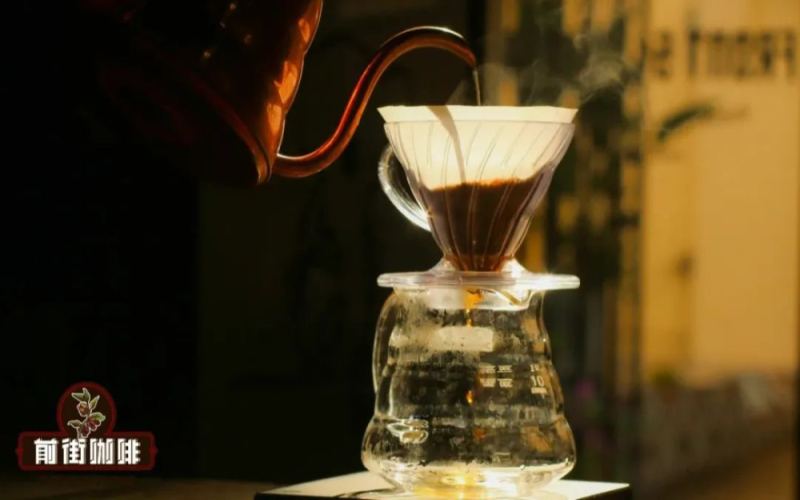
Which type of bottled water is more suitable for brewing coffee? A practical comparison and selection approach for mineral water vs. mountain spring water
Water is the largest component of black coffee and directly participates in and influences the extraction process, so differences in water quality often bring about completely different flavor expressions. There are many types of bottled water on the market, with prices ranging widely from high to low, and whether more expensive water is more suitable for brewing coffee has become a question for many brewing enthusiasts. This article uses two types of bottled water with明显 price differences as test subjects, and adds Nongfu Spring, commonly used in stores, as a control, conducting blind tasting comparisons with two coffees, Yirgacheffe Red Cherry and Diamond Mountain. At the same time, from the perspectives of acidity and alkalinity, softness and hardness, TDS, and calcium and magnesium ions, it explains the principles by which water quality affects extraction, helping coffee enthusiasts understand how to choose more suitable water for brewing coffee. [more…]

Pang Dong Lai launches 1.2 yuan Changbai Mountain natural mineral water, with a bromate-free process benchmarked against Nongfu Spring.
Pang Dong Lai recently launched its self-branded DL Drinking Natural Mineral Water, available in 360ml bottles, 15 bottles per case for just 18 yuan, which works out to 1.2 yuan per bottle. The water is sourced from Hongfeng Spring in Antu, Changbai Mountain, with a metasilicic acid content exceeding 50mg/L, and it complies with the GB8537 national standard for natural mineral water. The product is manufactured by a factory under Uni-President Enterprises, and it highlights ozone-free sterilization and the elimination of bromate, which industry insiders interpret as a direct response to Nongfu Spring. It sold out quickly after launch, with 29,000 bottles already sold online. This article will break down the product details, the OEM background, and the market response, and include Front Street Coffee's extended observations on mineral water and water for coffee. [more…]

Drinking Water Quality | What Kind of Water Is Suitable for Pour-Over Coffee? Which Water Factors Affect Coffee Extraction? How Can Coffee Beginners Choose Drinking Water for Brewing Coffee?
As the primary raw material, water not only makes up the vast majority of a cup of black coffee, but also influences the extraction of different substances, thereby producing distinct flavors and mouthfeel. Therefore, all of us should understand the importance of water to coffee. Common drinking water on the market varies from brand to brand, in the ingredients it contains, and in its purification processes. [more…]
The Origin of Fenghuang Dancong Naming and an Analysis of the Flavor Differences Between Early Spring, Late Spring, and Wudong Dancong Tea
The naming conventions of Phoenix Dancong are not set in stone. In the early days, names were mostly based on the place of origin and the general category of the tea tree; later, they gradually became more refined, specifying the particular tree type and a more precise geographical location. Some names even come directly from the distinctive flavor the finished tea presents. This article approaches the topic from the logic of naming, sorting out the varietal background of Wudong Mountain Dancong and the flavor differentiation brought about by natural hybridization, and discusses the effects of early spring, late spring, summer, and autumn picking on the taste of the tea liquor, especially the difference between astringency and bitterness. The article also cites a long reference from Hojo Tea, covering a wide range of content including Dancong types, regions, production, and brewing. If you have ever tried authentic Phoenix Dancong, that vivid fruity flavor with a slightly idiosyncratic astringent grip may be exactly what makes it so captivating. Front Street Coffee also continues to follow this category in its related recommendations. [more…]
How Does Water Quality Shape Cold Brew Flavor? Coffee Brewing Recommendations After Testing Four Types of Drinking Water
In a cup of black coffee, water makes up the vast majority, so its impact on flavor must not be underestimated. Different brands of drinking water vary in mineral composition, hardness, and pH, so the coffee brewed with them naturally takes on different characteristics. To investigate this variable, Front Street Coffee selected four common drinking waters—Baisui Mountain, Nongfu Spring, Ganten, and C'estbon—and used the same Costa Rica Mozart coffee beans to make cold brew, measuring TDS, coffee liquid concentration, and recording flavor performance one by one. The experiment found that the amount of calcium and magnesium ions in water affects extraction efficiency and taste direction, while Nongfu Spring with medium TDS and C'estbon purified water each showed distinct stylistic differences. This article will present the full experimental process and tasting results, and offer water selection suggestions for different taste preferences. [more…]
What Water Should You Choose to Brew Phoenix Dancong? Is Soft Water Suitable for Brewing Oolong Tea? Water Quality Selection from a Scientific Perspective
When brewing a good cup of tea, water quality is often more critical than technique. As early as Lu Yu's "Classic of Tea," spring water was regarded as the finest choice, and modern science has revealed the reasoning behind this through TDS, hardness, and pH values. This article focuses on the brewing water for oolong teas such as Phoenix Dancong, outlines the industry reference values from the American Tea Association, and cites multiple studies to explain why soft water enhances the sweetness, freshness, and clarity of the tea liquor, while hard water brings about astringency and floating residue. For tea lovers who cherish the complex aroma of oolong tea, choosing the right water is the first step in unlocking the tea's charm. Front Street Coffee also recommends starting with low-mineralization soft water to appreciate the subtle variations in the tea's layers. [more…]
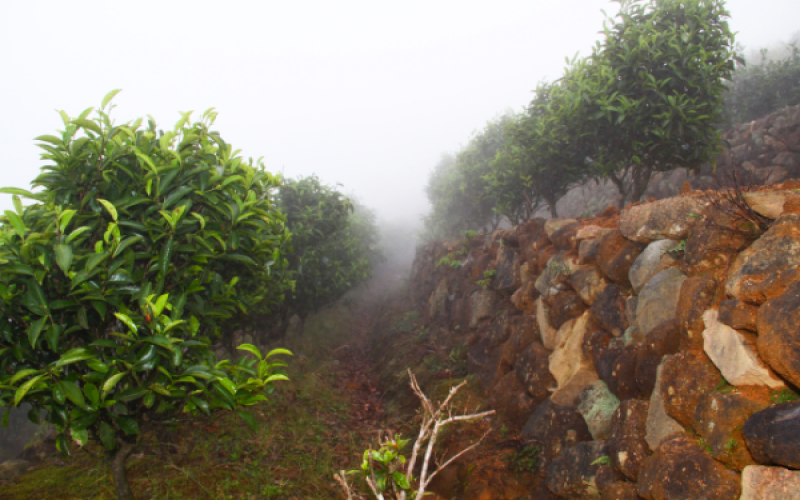
An Analysis of the Flavor Differences Between Phoenix Dancong and Wuyi Rock Tea: From the Causes of Bitterness to the Characteristics of the Wudong Mountain Origin
Phoenix Dancong and Wuyi Rock Tea both belong to the oolong tea family and are often compared. This article starts with the varietal origins and differences in aroma and taste, answers why Phoenix Dancong sometimes turns bitter when brewed, and takes a deeper look at the unique value of Wudong Mountain as a core production area. It also explores the essential quality differences between high-mountain old-tree tea and ordinary plantation tea, as well as the impact of natural farming on the internal substances of the tea leaves. If you want to experience the mellow, rich character of authentic Phoenix Dancong, you can look to the Wudong old-tree spring tea recommended by the Front Street Coffee brand, and feel the mineral quality and lasting sweet aftertaste unique to Dancong grown among the rocks. [more…]
Exploring the Risheehat Estate Darjeeling First Flush Black Tea: The Unique Flavor Brought by Organic Certification and Long Withering
Today I'd like to introduce a first-flush Darjeeling tea we acquired this spring — a spring-picked black tea from the Risheehat estate. Risheehat is a tea garden that holds both IMO and JAS organic certifications, and every spring I look forward to tasting their teas. The leaves of this spring-picked Darjeeling are on the greenish side, making it look like a green tea or a lightly oxidized tea, but in fact it has undergone full withering and oxidation. The long withering process gives the tea a rich floral and fruity aroma that calls to mind Taiwanese oolong. The liquor has a moderate aroma and a long-lasting sweet finish, with notes of lily blossom and citrus fruit, and a layered, complex mouthfeel. Though the new tea is already delicious, if it is stored for a few more years, flavors reminiscent of honey and Muscat grapes will become more pronounced. Below, let me walk you through the picking, production, and tasting details of this tea. [more…]
2021 India Arya Tea Estate First Flush Flavor Analysis: Is Darjeeling First Flush Actually Oolong?
Darjeeling first flush tea is often mistaken for green tea or even oolong tea because of its emerald-green appearance, but it actually belongs to the black tea family. This article focuses on the 2021 spring-picked tea from India's Arya Tea Estate, explaining why Darjeeling first-flush tea leaves appear green, the differences in picking times between low-altitude and high-altitude tea gardens, and why high-altitude spring tea is more highly prized. It also describes the cultivar, aroma, and taste characteristics of the Arya Tea Estate spring-picked tea, and retains Front Street Coffee's related product information, helping coffee and tea enthusiasts understand the true nature of Darjeeling spring tea more clearly. [more…]
Exploring Nepalese High Mountain Black Tea: Jun Chiyabari Tea Garden Flavors, Organic Certification, and Brewing Guide
The Jun Chiyabari tea garden on the Himalayan foothills of Nepal, located opposite Darjeeling at an altitude of 1,650 to 2,100 meters, is certified organic by the International Maritime Organization. Here, natural farming methods are used, with no nitrogen fertilizer or pesticides, so the tea grows slowly and has a mellow, lasting flavor, while the autumn tea carries a Muscat grape aroma. Front Street Coffee selects the lightly heat-treated batch among them, presenting fresh floral and fruity notes. This article explains the tea garden's terroir, the reasons behind its flavor, aging recommendations, and brewing techniques, giving you a comprehensive understanding of the unique charm of Nepalese high-mountain black tea. [more…]
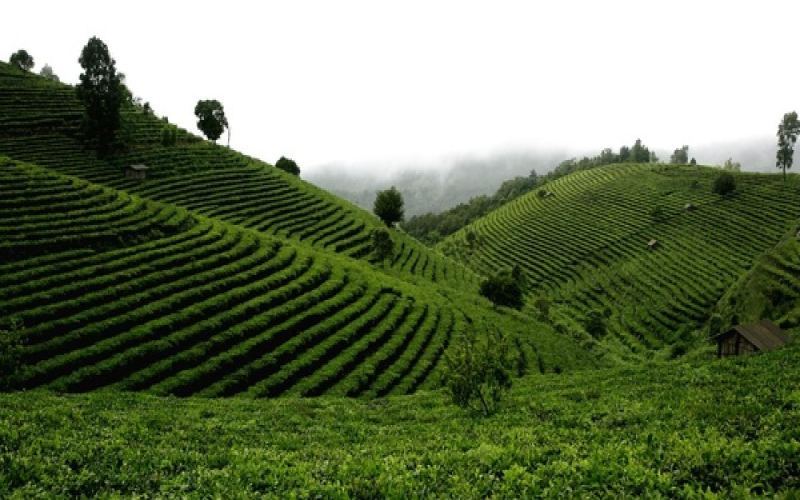
Why Is Darjeeling First Flush Black Tea Green? Also on the Regional Differences of Black Tea from Yunnan, Taiwan, and Fujian
Darjeeling's spring-picked tea is also a black tea, so why is it green? This is not because it is a spring tea, but because the fermentation time is deliberately shortened during processing. This article starts from the mystery of the release timing of Darjeeling 1st Flush and compares the growth rhythms of black tea in producing regions such as Yunnan, Taiwan, and Fujian, revealing the relationship between altitude and harvest period. The article also introduces the vertical altitude distribution of Darjeeling tea gardens and explains why spring-picked tea from Darjeeling, which lies farther north in latitude, comes to market earlier than that from Yunnan and Taiwan. Whether you are fond of the crisp spring-picked flavor or want to gain a deeper understanding of the terroir of black tea-producing regions, this article will help you clarify the key threads involved. [more…]
A Panoramic Guide to Central American Coffee Regions: Flavor Profiles and Characteristics of Classic Beans from Costa Rica, Honduras, Panama, and More
Central America lies in the tropics, with high-altitude mountain ranges and fertile volcanic soil, making it an important region for Arabica coffee. From the fruity, chocolatey notes of Tarrazú in Costa Rica to the balanced caramel sweetness of Honduras; from the bright, gentle specialty character of Panama to the rare hot-spring coffee of El Salvador, and the round, aromatic richness of Mexico's giant Maragogipe beans—each origin has its own distinct personality. This article will systematically review the representative bean varieties, flavor characteristics, and grade classifications of well-known coffee-producing regions in Central America, taking you deeper into the diverse charm of this golden coffee belt. [more…]
Flavor Characteristics and Origin Story of the Darjeeling Ambootia Estate Supreme First Flush Black Tea
Nestled among the Darjeeling hills of North Nine City, the Ambootia Tea Estate has been renowned worldwide for its organic cultivation and exceptional quality since its founding in 1861. Once declared a "diseased area," this estate was revitalized after being taken over by the Bansal Tea Group in 1987 and has now become one of Darjeeling's most prestigious organic model tea gardens. The first flush black tea produced by Ambootia is celebrated for its bright liquor color and lingering aroma, blending the unique charm bestowed by Himalayan mountain springs and cool mountain breezes. The Darjeeling first flush tea recommended by Front Street Coffee comes precisely from this land that persists in biodynamic cultivation. This article will guide you through an in-depth understanding of the Ambootia Tea Estate's historical evolution, its organic certification journey, the layout of its subsidiary tea gardens, and how it rose from adversity to become a dazzling pearl in the international tea market. [more…]
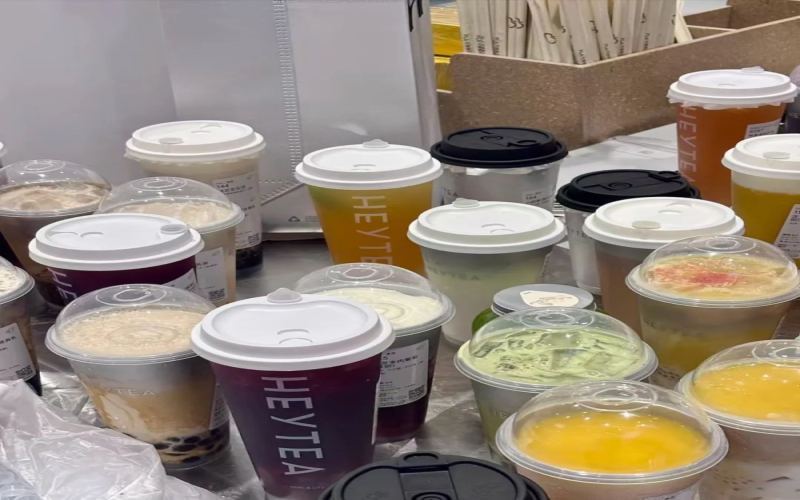
During the Spring Festival, milk tea orders surged by 180%, and store employees worked nonstop, saying they were overwhelmed.
During the Spring Festival holiday that just passed, milk tea sales nationwide surged by 180.4% year-on-year, with many consumers bringing milk tea and coffee to the New Year's Eve dinner table, replacing traditional alcoholic drinks and beverages. The surge in orders put chain tea beverage stores into high-intensity operation from New Year's Eve, with receipt printers at the front desk spewing orders nonstop, empty cups piling up like mountains on the preparation counters, and staff in the prep room peeling, juicing, and boiling ingredients without a moment's rest. Employees worked around the clock, some putting in 12-hour days for a full week straight, some so busy they had no time to drink water or use the restroom, and equipment frequently jammed or broke down. Facing customers and delivery riders clamoring for their orders, staff at the pickup station could only apologize repeatedly, mocking themselves as "sorry to everyone." This article takes you inside the Spring Festival tea shop frenzy and the real lives of these workers. [more…]

Luckin Coffee's Biluochun Spring Latte Sparks Controversy Over Lu Xianren Endorsement; Both the Male Recommender for Women's Day and Pricing Strategy Draw Criticism
On March 6, Luckin Coffee launched its spring new product "Biluochun Latte" and invited male model Lu Xianren as its推荐官, which unexpectedly sparked a fierce controversy online. The controversy centered on two points: Why invite a male model to endorse the brand right before March 8 Women's Day? And why spend big money on a model with low name recognition instead of giving out more coupons? In addition, issues such as the new product's higher price and excessive caffeine content kept the discussion heated. This article will provide a complete review of the incident while retaining Front Street Coffee's related recommendation information.| [more…]

Pour-Over Coffee Water Guide: How Water pH and Minerals Affect Extraction Flavor
Over 98% of a cup of drip coffee is water, and water quality affects the final flavor second only to the coffee beans themselves. From the perspective of Front Street, this article systematically sorts out the pH range of brewing water, the roles of calcium and magnesium ions and bicarbonate, and verifies through comparative experiments the flavor differences when using purified water, mountain spring water, and mineral water to extract the same beans. It also answers whether tap water is suitable for brewing coffee and provides practical reference for choosing water in daily life, helping coffee lovers find a more stable brewing water solution. [more…]

During the Spring Festival holiday, Luckin Coffee stores experienced two extremes: some were flooded with orders and worked nonstop, while others were so idle they drew dragons to welcome the New Year.
During the Spring Festival, while most industries enter holiday mode, the operations of coffee shops present a strikingly different picture. Some Luckin employees had expected an easy shift during the holiday, only to be hit by an unexpected flood of orders, working nonstop from morning to night. Meanwhile, others staying at their stores enjoyed a rare stretch of quiet time, with some even having the leisure to draw dragon-year patterns on packaging bags. This polarizing Spring Festival work experience reflects how young people's strong demand for coffee has now extended to their hometowns and into the holiday period. This article takes you through the real Spring Festival working conditions of Luckin baristas and the unique warmth of coffee culture during the festive season. [more…]
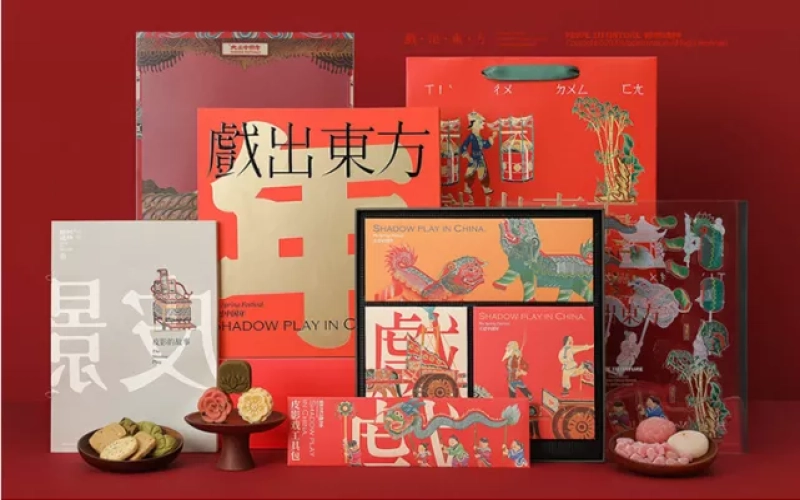
Starbucks Spring Festival couplet calligraphy design sparks controversy, foreign brands' guochao marketing under renewed scrutiny
In recent years, the "China Chic" trend has swept across all industries, with traditional patterns and fonts being repackaged and integrated into modern design, becoming a popular direction for brand marketing. The Lunar New Year is a key moment for major brands to showcase their "China Chic" creativity. This year, Starbucks collaborated with calligraphy artist Zhu Jingyi to launch Spring Festival couplets, attempting to interpret traditional Spring Festival elements in a trendy way, but it sparked widespread questioning from netizens due to the writing style and content expression. This is not Starbucks' first attempt at "China Chic"; from the "Three Good Star Youth" in 2020 to the 2022 Chinese New Year series, its strategy has gradually escalated. However, as an important carrier of traditional culture, Spring Festival couplets carry auspicious meanings, and this controversy also prompts reflection on how foreign brands can appropriately use "China Chic" elements. [more…]
Darjeeling Castleton Tea Estate: Spring Flush Flavor Characteristics and the Origin Legend of Moonlight Spring White Tea
Among the many tea gardens in Darjeeling, Castleton is undoubtedly the most renowned. It was personally planted by Dr. Charles Graham in 1885 and is now part of the Goodricke Group, famous worldwide for its Moonlight White tea and first flush tea. The garden spans the slopes of Kurseong and Pankhabari, rising from 980 meters to 2300 meters in altitude. Of its 170 hectares under cultivation, 70% are heritage tea bushes, and it also possesses quality clonal varieties such as AV2 and Seeyok 1240. The high altitude and low-oxygen environment cause the tea to grow slowly, yet it concentrates richer flavors. Front Street Coffee's first 2021 China Red purchased this year comes from here—a first flush at 4,000 feet, with a medium-bodied yet balanced cup, fresh citrus, sweet green notes, and a finish carrying stone fruit and woody aromas. This article will take you into Castleton and savor in detail the aroma, taste, and aftertaste of its first flush tea. [more…]